The published numbers
- Netflix: 42 characters per line, 2 lines max, 17 CPS for adult English.
- BBC: 37–42 characters per line, 2 lines max, 15–17 CPS.
- EBU (European broadcasters): 37 characters per line, 2 lines max.
- TED: 42 characters per line, 2 lines max, 21 CPS.
- Amazon: 42 characters per line, 2 lines max, 17 CPS.
Why 42?
It's not magic — it's the legacy of CEA-608 broadcast captions, which the original line-21 hardware could fit on a 525-line NTSC display at a readable size. The 42-character convention propagated to file formats, then to streaming, even though the original hardware constraint disappeared decades ago.
Short-form video bends the rule
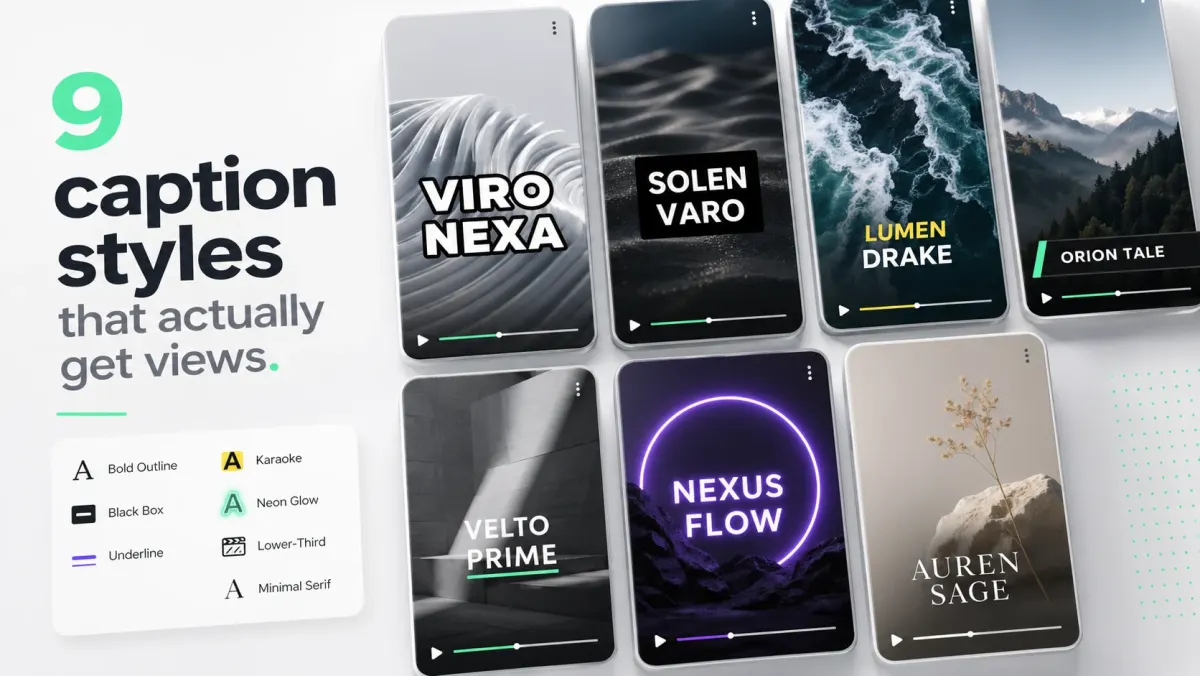
TikTok, Reels, and Shorts captions routinely hit 50–60 characters per line because the design language is 'big bold text fills the screen' rather than 'discreet bottom-third strip'. Reading speed goes up too — 20–25 CPS is normal because viewers expect to re-read by tapping back.
What to actually do
- 01For broadcast / streaming delivery: stick to the published standard. 42 chars × 2 lines, 17 CPS.
- 02For social short-form: bigger is fine, but check on a real phone — text that fills a desktop preview can clip on a 5-inch screen.
- 03Two-line max regardless of platform. Three-line subtitles read as a wall of text and viewers swipe.
- 04Break lines around phrases, not arbitrary character counts. 'I went to | the store' beats 'I went to the | store'.
Tools that enforce it
Run your subtitles through a reading-speed and character-limit checker before publishing. The Reading Speed Checker flags cues that exceed Netflix and BBC defaults; the Line Splitter reflows oversize lines around natural phrase breaks.